

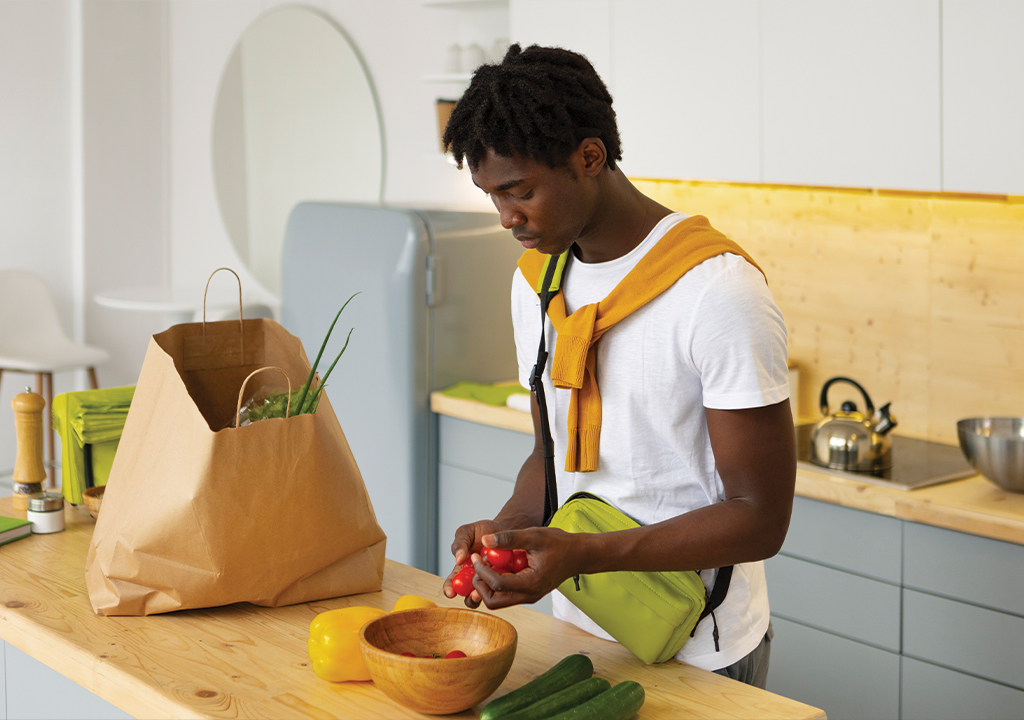
Choosing the right packaging material can feel overwhelming, especially with so many “eco-friendly” options available today. Each material serves a different purpose, and understanding the differences helps businesses make smarter, more sustainable, and more cost-effective decisions.
In this guide, we explain the most common eco-friendly packaging materials, how they are used, and how to choose the best option for your business.
Packaging is more than just a container. The material you choose directly affects:
Food safety and freshness
Customer convenience and satisfaction
Environmental impact
Brand image and professionalism
Using the wrong material can lead to leakage, soggy packaging, poor presentation, or customer complaints. Choosing the right one enhances the customer experience while supporting sustainability goals.
Common Eco-Friendly Packaging Materials
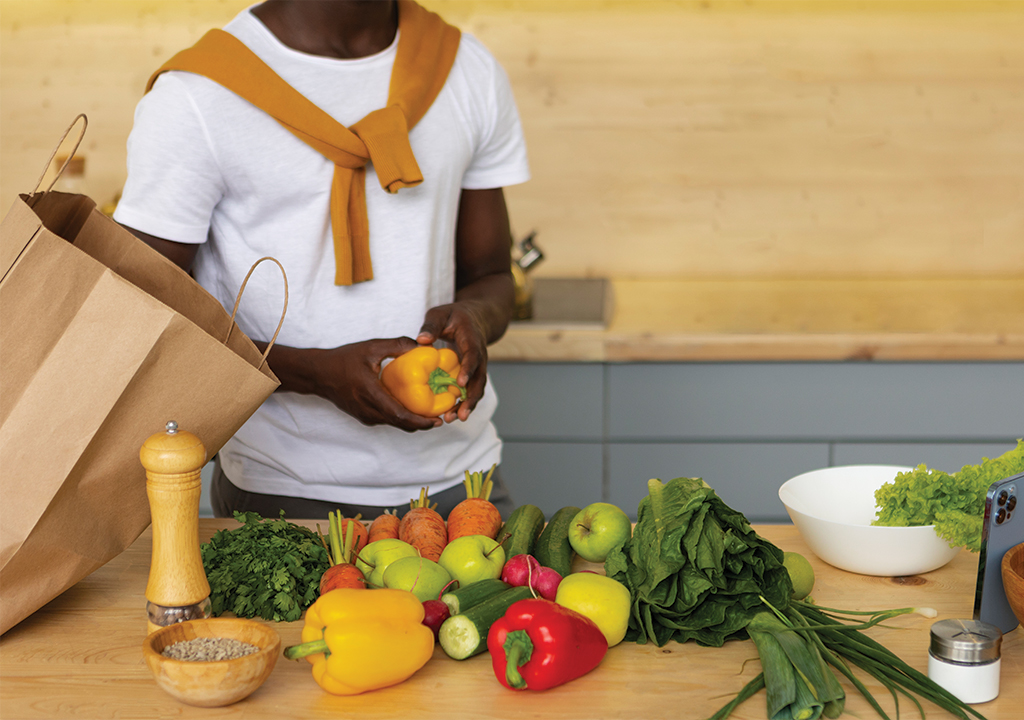
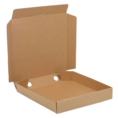
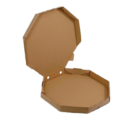
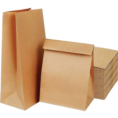
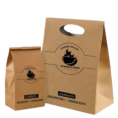
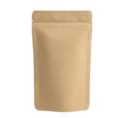
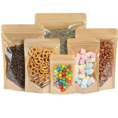
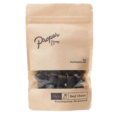
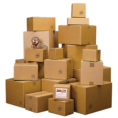
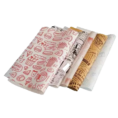
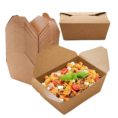
Kraft paper is one of the most widely used eco-friendly packaging materials in the food and retail industry. It is made from wood pulp using a process that produces strong, durable fibers.
Key characteristics:
Strong and tear-resistant
Recyclable and biodegradable
Safe for direct food contact
Natural brown color that signals sustainability
Common uses:
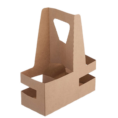
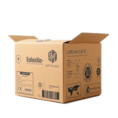
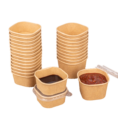
Food boxes and takeaway containers
Paper bags
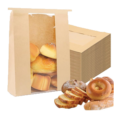
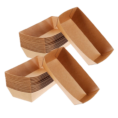
Bakery and pastry packaging
Food wraps and liners
Why businesses choose kraft paper:
Kraft paper offers an excellent balance between affordability, durability, and environmental responsibility. It also provides a natural, premium look and is easy to customize with branding.
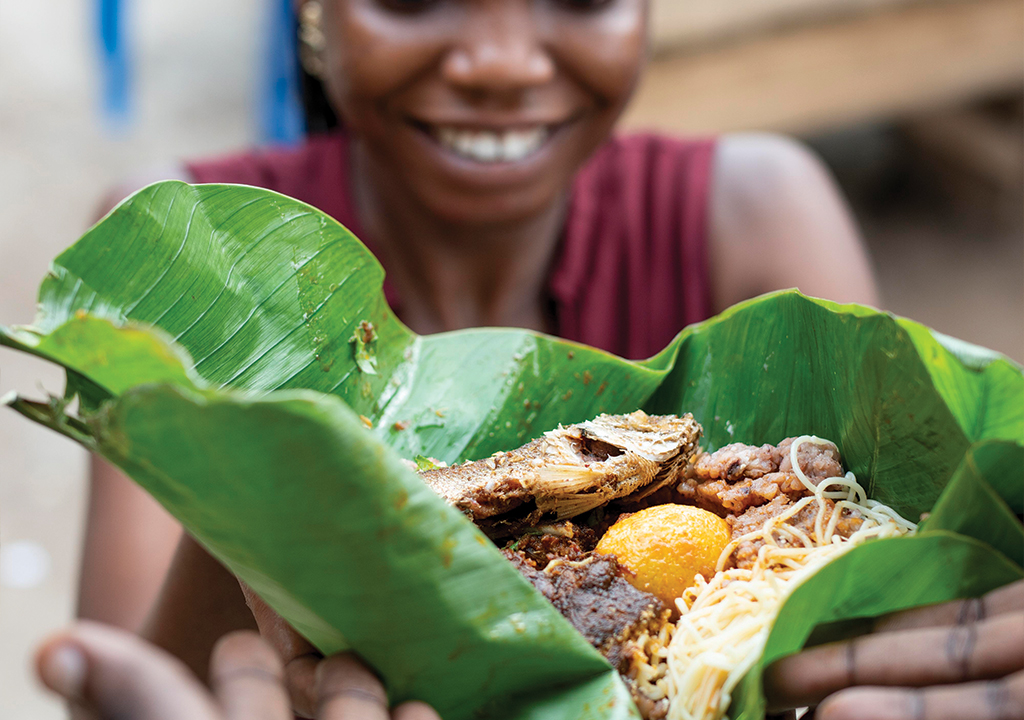
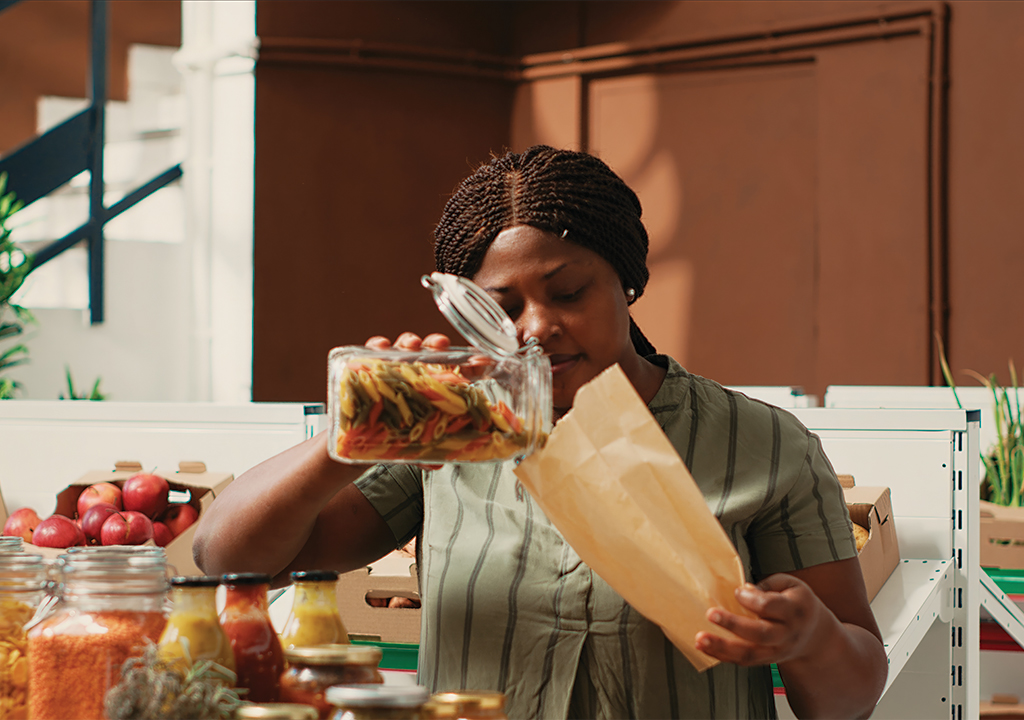
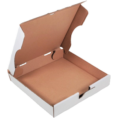
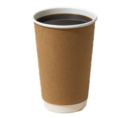
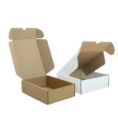
Paperboard is thicker than standard paper but lighter than cardboard. It is often coated to improve durability and print quality, making it ideal for branded packaging.
Key characteristics:
Lightweight but sturdy
Smooth surface for high-quality printing
Recyclable and biodegradable
Common uses:
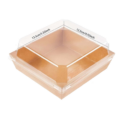
Food boxes
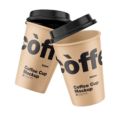
Paper cups and lids
Meal trays and containers
Retail product packaging
Why businesses choose paperboard:
Paperboard is perfect for brands that prioritize presentation and visual appeal. It allows for clean, professional designs and is commonly used in cafés, catering services, and premium food packaging.
Biodegradable and compostable packaging materials are designed to break down naturally, reducing long-term environmental harm.
Common materials include:
Bagasse (sugarcane fiber)
PLA (plant-based plastic alternatives)
Cornstarch-based materials
Common uses:
Food bowls and plates
Takeaway containers
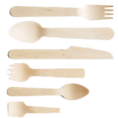
Cutlery and lids
Why businesses choose biodegradable materials:
These materials offer the lowest environmental impact and are an excellent alternative to plastic. They appeal strongly to eco-conscious customers and sustainability-focused brands.
The best packaging material depends on several factors:
Hot foods require heat-resistant materials
Oily foods need lined or coated packaging
Liquids require leak-proof solutions
Takeaway and delivery packaging needs strength and durability
Dine-in packaging may prioritize presentation
Natural, eco-friendly image → Kraft paper
Clean, premium branding → Paperboard
Sustainability-first positioning → Biodegradable materials
Kraft paper offers cost-effective sustainability
Compostable options are premium but impactful
At Kraftouch, we help businesses choose the right packaging material based on their product type, brand identity, budget, and sustainability goals. We supply high-quality kraft paper, paperboard, and biodegradable packaging solutions that are food-safe, durable, and customizable.
Understanding eco-friendly packaging materials empowers businesses to make better decisions for their products, customers, and the environment. Smart material choices protect your product, strengthen your brand, and contribute to a cleaner planet.
Sustainable packaging isn’t just an environmental responsibility — it’s a smart business move.
Be the first to learn about our latest trends and get exclusive offers
Will be used in accordance with our Privacy Policy
No account yet?
Create an Account